The Font Choice That Changes Everything
Most designers spend hours on layout, color, and imagery—then pick a font in five minutes. It's the last decision that shapes every first impression.
Typography is the one element that works at every scale: it's in your logo at 2 cm and your billboard at 2 meters. It's in your packaging's fine print and your website's headline. And unlike color or illustration, it carries both structure and personality at the same time.
This guide breaks down how to approach font selection by context—logos, packaging, and web/UI—with honest criteria and hand-picked recommendations from the Resistenza Type catalog, including several of our most recent releases.
Fonts for Logos
What a logo typeface actually needs to do
A logo font doesn't need to be loud. It needs to be unmistakable. Whether it's a wordmark or a monogram, the typeface has to compress your brand's identity into a handful of glyphs—and hold up across every surface it touches.
Here's what separates a strong logo font from a forgettable one:
Distinctiveness without eccentricity. If your font looks like a hundred other brands, it won't register. But if it's so unusual it distracts from the name itself, it fails just as badly. The sweet spot is a typeface with personality that doesn't steal the show.
Performance at small sizes. Most logos are seen small. A font that looks great in a specimen but collapses into mush at 1 cm is not a logo font.
No expiry date. Trends move fast. A logo should still feel intentional in ten years. Avoid anything too tied to a specific moment in design culture.
Recommended picks
Pressato — A variable display typeface with three axes: weight, width, and slant. Its tension between geometric structure and expressive variation gives it a built-in dynamism that's hard to find in a single typeface. For brands that want to feel contemporary and confident without looking generic, Pressato delivers authority and flexibility in equal measure. Variable fonts also offer a practical advantage for logos: one file, infinite refinement.
Squadra — Inspired by the proportions of Eurostile but with a more refined sensibility, Squadra is modular, geometric, and unmistakably European. The variable slant axis adds a subtle dynamism when needed. Strong choice for architecture, technology, and design brands.
Furbo — A monospace inverted-contrast variable font with 30 weights and three axes (width, contrast, turbo). Furbo reads as both retro and forward-thinking—ideal for brands that want to signal originality rather than heritage.
Norman — Humanist proportions with just enough quirkiness to feel distinctive. Norman has been used by Emily Ratajkowski, Guitar World, and a string of high-visibility projects; it carries that rare balance of credibility and style that high-profile wordmarks demand. Available as a variable font for extended flexibility across weights.
Norman Stencil — The stencil variant of Norman inherits all of its humanist character while adding the graphic tension of broken letterforms. Where most stencil fonts feel purely industrial, Norman Stencil retains warmth and approachability—making it a versatile choice for brands that want the visual energy of stencil design without sacrificing personality. Strong in apparel, editorial, and identity work where texture matters.
Qimbo — One of the newest entries in the catalog. Qimbo has the kind of restrained energy that makes it immediately usable in identity work: strong enough to anchor a wordmark, refined enough not to overpower it. A strong contender for brands that want to feel fresh without being experimental.
Onni — A contemporary geometric sans designed with deliberate disruption: characters that sit at slightly irregular angles, a triangular cutout in the lowercase "e", a distinctive swept tail on the "R". Built on Swiss modernism but refusing to be polite about it. Suited for youth-oriented brands, creative studios, and tech startups that want geometry with a point of view. Available in 10 weights with a variable version.
Squadra Stencil — The stencil cut of the Squadra family brings an industrial precision and graphic boldness that few display fonts match. The visual breaks in the letterforms create texture and tension—ideal for logos that need to read as authoritative on everything from apparel tags to large-format signage. Pairs naturally with Squadra Variable for multi-weight brand systems.
Oddity Script — A calligraphic script with reversed contrast: where you'd expect thick strokes, Oddity goes thin, and vice versa. The result is a typeface with 70s-flavored elegance and a distinctly contemporary edge—simultaneously nostalgic and unplaceable. Directly inspired by the skeleton of Nautica but with the contrast inverted to create something entirely its own. Strong in large logotype treatments, editorial titles, and packaging with a vintage-modern tension.
Fonts for Packaging
Typography that works before the product is touched
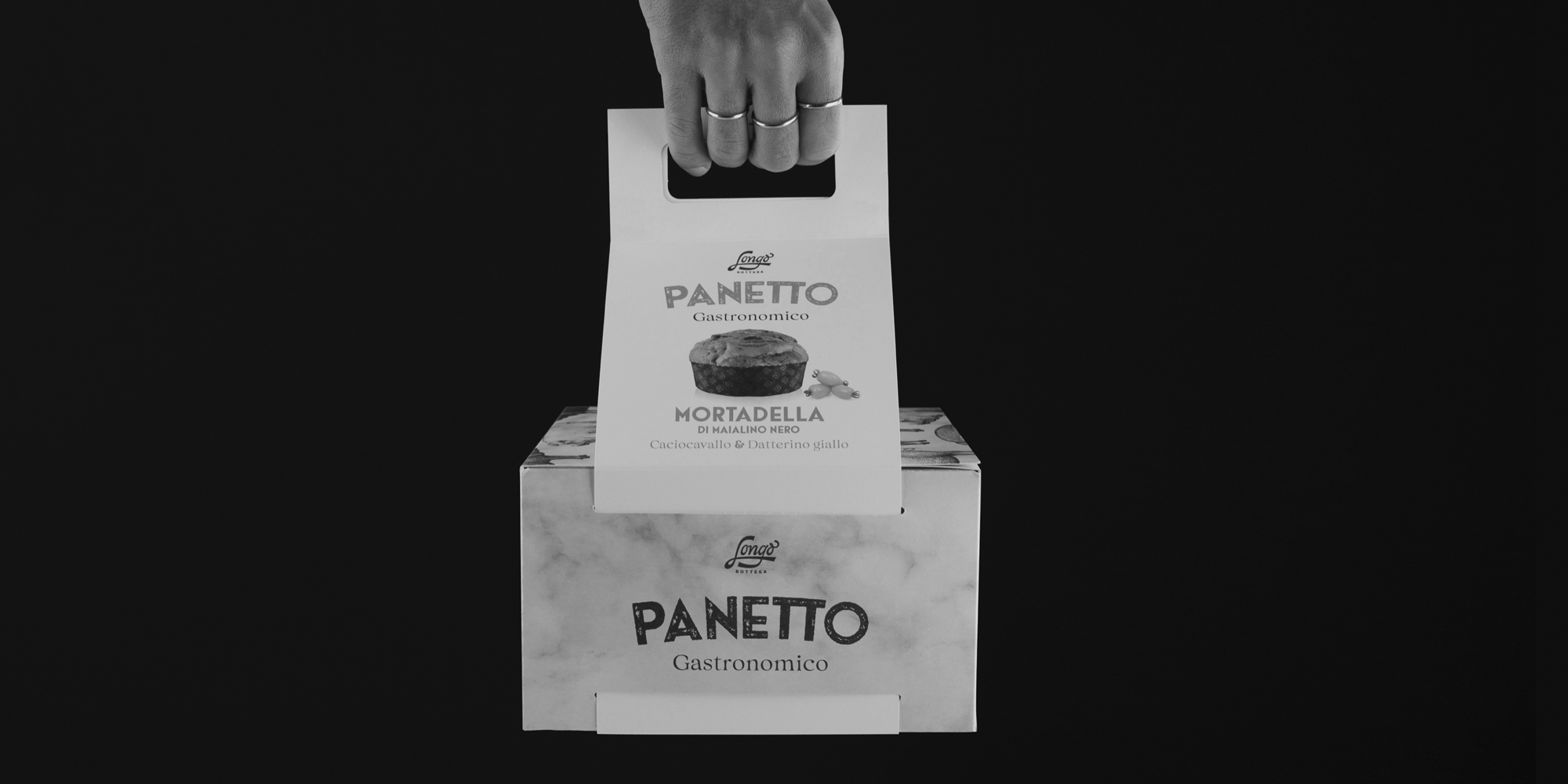
Packaging typography has one job that almost no other medium shares: it has to sell in a fraction of a second, from a distance, surrounded by competitors. A font on a shelf is competing with dozens of others in the same visual field. It can't afford to be neutral.
Instant character recognition. The font needs strong visual identity in just a few letters. A brand name with four characters has to land with the same impact as a full sentence. Choose fonts with distinctive forms—not interchangeable grotesques.
Print fidelity. The font must survive CMYK, foil, embossing, flexographic printing on flexible substrates, and labels that may be applied to curved surfaces. Fonts with very fine hairlines or extreme optical corrections for screen can fail in print production.
Tonal alignment. Is the product artisanal, luxurious, playful, clinical, nostalgic? The typeface should make that clear before anyone reads a word. Typography is subtext.
Recommended picks
Modern Love — Created with pointed brush and walnut ink, Modern Love is a high-contrast calligraphic script with four styles (Regular, Grunge, Rough, Caps) and an extensive set of OpenType alternates and ornaments. It's a natural fit for premium beauty, boutique fashion, and any product that wants to signal craft and intention. The Rough style adds authentic texture for tactile, material-driven packaging.
La Bodeguita — Drawn with a Spencerian pointed-nib pen using walnut ink, this script delivers true calligraphic elegance. Three styles (Regular, Slanted, Swashes) and 400+ glyphs give designers room to build genuinely custom lettering compositions. Best suited for wine, spirits, fine food, and luxury cosmetics—anywhere the brand narrative centers on origin and craftsmanship.
Timberline — A rustic textured script that reads as carved or brushed rather than digitally constructed. Timberline is built for earthy, artisanal brands: craft beer, sustainable goods, farm-to-table food, eco cosmetics. It carries exactly the visual weight a bold header needs on kraft or recycled packaging.
Superpop — Rounded geometric sans with a brushy energy and five weights plus outline variants. Where most rounded fonts feel safe, Superpop feels alive. Strong choice for snack brands, kids' products, beverages, and anything meant to be picked up impulsively. Its outline version creates layered packaging effects that photograph well on social media.
Smoothy — A hand-lettered rounded brush script with gentle curves and connected strokes. Smoothy has the kind of warmth that makes a product feel genuinely approachable—not designed, but made. Strong fit for artisanal food, wellness brands, natural cosmetics, and local bakeries. The softness of the letterforms reads as trustworthy rather than corporate, which is exactly what smaller brands need when competing on shelf against generic packaging.
Nautica — A high-contrast script based on Copperplate's ductus, with over 1,000 glyphs, three weights, and a dedicated set of nautical icons and knots. The ligatures and swashes are brush-pen-inspired rather than strictly calligraphic, giving it a fluid energy that works particularly well on premium labels, wine, spirits, and lifestyle packaging. Its notability speaks for itself: Kali Uchis, Star Trek Picard, Chateau Picard wine—Nautica is one of the most versatile scripts in the catalog.
Revolute — A stencil typeface with Torinese heritage, inspired by the Resolut font cut for Fonderie Nebiolo in 1937. Clean lines, subtle curves, and the characteristic optical breaks of stencil design. Revolute brings historical weight and authenticity to packaging contexts where provenance matters—heritage food brands, artisan spirits, premium goods with a story to tell. Also available as a variable font for extended typographic flexibility.
Fonts for Web and UI
Where aesthetics meet engineering
Choosing a font for a website is a different discipline than choosing one for print. A typeface that looks exquisite in a specimen PDF can render poorly on a mid-range Android phone, slow down a page load, or fall apart at responsive breakpoints. Digital typography has a technical layer that branding doesn't.
Screen rendering at multiple sizes. High x-height, open counters, and comfortable default spacing matter more on screen than in print. A font optimized for display can feel cramped or claustrophobic in body copy at 16px.
Typographic range. UI design lives or dies by hierarchy. You need a typeface family with enough weights and styles to distinguish headings, body text, labels, captions, and CTAs—without switching to a different font.
Variable font technology. Variable fonts are now table stakes for serious web work. They load as a single file, adapt smoothly across breakpoints, and enable animated typographic transitions that were previously impossible without JavaScript hacks. If you're building a design system, variables are worth prioritizing.
Brand voice that doesn't age. For long-term digital products—apps, platforms, brand systems—avoid fonts that will feel dated in two years. Opt for something with visual intelligence that doesn't depend on trend.
Recommended picks
Monologo — A variable serif with comprehensive Latin Extended glyph coverage, oldstyle figures, and support for Latin, Greek, and Cyrillic. Where many serif families stop at Western European languages, Monologo is built for serious multilingual typesetting. For digital platforms, editorial brands, and cultural institutions that work across multiple languages and need a serif that holds up in long-form reading—Monologo is one of the most technically complete options in the catalog.
Ordine — A variable geometric sans built explicitly for digital-first use. Its foundations are strict—perfect circles, consistent x-height, balanced proportions—but Ordine avoids sterility through considered details: the "e" has a subtle horizontal bar for improved readability, the two-story "g" adds typographic sophistication. Lighter weights bring editorial elegance; bolder weights deliver commanding presence for branding and sportswear. The oblique variants preserve geometric integrity while adding energy.
Performa — A variable font combining geometric structure with grotesque warmth. Two axes (weight and width) plus an italic companion make it genuinely versatile for UI hierarchies. It's the kind of typeface that disappears into the design in the best possible way—clean, responsive, and quietly distinctive. Ideal for brand systems, fashion e-commerce, and editorial platforms.
Industria Sans — 36 cuts, sharp ink traps, and a variable version that transitions smoothly across weight and width. Built for digital-first identity projects and large-scale UI systems. The kind of sans serif that feels engineered rather than designed—a quality that reads as credibility in tech, finance, and SaaS contexts.
Turquoise Sans — Geometric with subtle flourishes that don't compromise legibility. Strong on all screen sizes, it has the balanced optical density that makes text comfortable to read in quantity. A reliable choice for responsive web projects that need personality without noise.
TotalBlack — A grotesk-inspired sans serif family with 9 weights, italics, and a Display version. TotalBlack has the neutral authority of classic grotesque typography, but with Resistenza's characteristic attention to detail in the spacing and alternates. The Display cut adds graphic punch at large sizes. For digital brands that need a workhorse with genuine character—magazines, editorial platforms, and commercial websites—TotalBlack delivers range without compromise. Also available as a variable font.
Auster — Three years in development, Auster is a reverse-contrast sans serif in 20 weights across two styles (Roman and Italic). Where conventional sans serifs thicken strokes in the expected places, Auster inverts the logic—creating a typeface that feels simultaneously familiar and quietly wrong in the best way. Originally developed at the TipoBrda Workshop in Slovenia. Its Slab companion, Auster Slab, extends the system into packaging and editorial use.
One Family Across Everything
Some of the most effective brand typography comes from a single family deployed across multiple contexts. A typeface system—where a script, serif, and sans are designed to coexist—eliminates the guesswork of pairing and creates immediate visual consistency.
Turquoise Collection: Turquoise, Turquoise Sans, and Turquoise Inline form a cohesive family with distinct registers—the script for headlines and wordmarks, the sans for text and UI, the inline for decorative applications.
Annuario Variable works as a standalone system for cultural, editorial, and luxury brands: thin weights for delicate packaging, heavier weights for display, optical size axis for everything in between.
How to Actually Choose
Before you commit to a typeface, ask these questions:
Who is the audience, and what do they already trust? A font that reads as "premium" to one demographic may read as "cold" or "exclusive" to another. Typography carries cultural associations that vary by region, generation, and context.
Where will this font appear most often? If 80% of usage is on screen, optimize for screen. If the primary use case is packaging, test it in print—ideally at actual production size.
Does it have the technical features you need? Multilingual support, OpenType alternates, the right weight range, variable axes. It's easier to rule out fonts on technical grounds early than to discover limitations mid-project.
Will you still like it in five years? Trend-adjacent fonts are useful for campaigns. They're expensive mistakes for brand systems.
Every typeface in the Resistenza catalog is handcrafted with calligraphic roots and production-grade technical quality. If you're building a brand and want guidance on which fonts fit your specific context, contact us.